Personal Brand vs Business Brand
When to Invest in Each (or Both)
Why Branding Decisions Can Make or Break Your Success
Branding is more than a logo or tagline—it’s the story people tell about you and your business, whether you control it or not. Clear, consistent branding helps people remember you and trust what you offer.
For many entrepreneurs and professionals, the challenge isn’t choosing between brand types—it’s understanding how each supports long-term growth.
A strong brand:
- Positions you as an expert in your field
- Builds trust with clients, partners, and stakeholders
- Drives momentum for growth and new opportunities
- Lays the foundation for long-term influence and equity
At Tru Personal Brand, we help professionals and businesses clarify their story, purpose, and positioning, ensuring every branding decision is intentional and effective.
Understanding Your Personal Brand: Influence, Credibility, and Trust
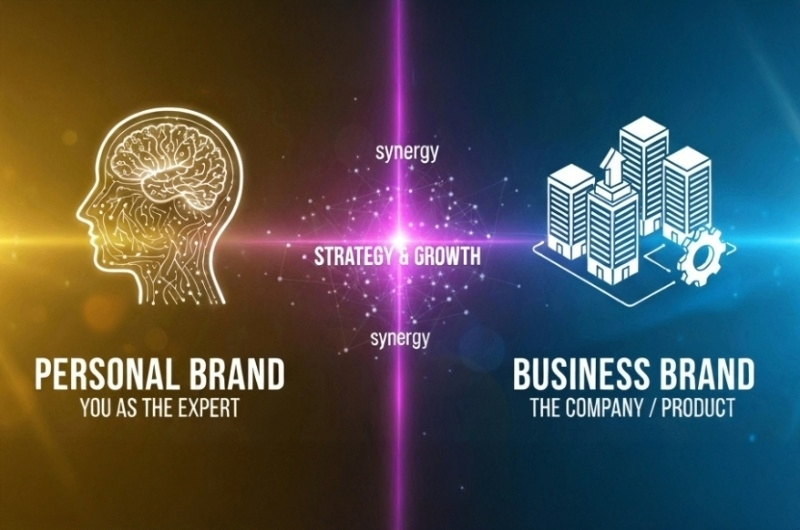
A personal brand is the reputation, story, and expertise you cultivate as an individual. It’s how people perceive your skills, values, personality, and credibility.
Key Features:
- Authenticity drives influence: People connect with your story and the unique way you show up.
- Highly adaptable: A personal brand can evolve with your career, industry trends, or market needs.
- Human-centric: Builds deeper connections because audiences see the real person behind the brand.
- Cost-effective: Visibility comes from content, thought leadership, and networking rather than large budgets.
Why It Matters:
- Establishes credibility and trust in your field
- Opens doors to speaking engagements, collaborations, media features, or client leads
- Creates mobility—you can take your brand across industries or ventures
Practical Example:
A consultant specializing in leadership development uses LinkedIn articles, YouTube videos, and webinars to attract clients. Their personal brand establishes them as a credible authority before prospects even meet them.
Understanding Your Business Brand: Reputation, Scalability, and Trust
A business brand represents the company’s identity, mission, and promise to customers. Unlike a personal brand, it relies on systems, processes, and teams to consistently deliver value.
Key Features:
- Scalable: Can grow beyond the founder’s personal involvement through systems and employees.
- Institutional credibility: Builds trust through consistent service, experience, and reputation.
- Structured: Defined mission, vision, values, and brand culture guide operations and messaging.
- Sustainable: Long-term brand equity increases company value and exit potential.
Why It Matters:
- Establishes organizational credibility and trust in the marketplace
- Supports growth through repeatable systems and employee alignment
- Enables scalability and expansion beyond founder-driven capacity
- Protects business value in case of leadership transitions or sales
Practical Example:
A SaaS company standardizes messaging, design, and customer support so clients have a consistent experience, independent of the founder. Over time, the company becomes recognized as a trusted brand in its industry.
Personal Brand vs Business Brand: How to Tell Which Fits Your Goals
| Aspect | Personal Brand | Business Brand |
|---|---|---|
| Focus | Individual expertise, story, values | Company mission, team, offerings |
| Scalability | Limited by personal capacity | Expands through systems, employees, and processes |
| Flexibility | Can pivot easily | Brand changes take time and investment |
| Trust Factor | Strong human connection | Institutional credibility |
| Exit Potential | Difficult to sell | Easier—brand can operate independently |
| Investment | Low to moderate (content, visibility) | Moderate to high (infrastructure, team, marketing) |
| Audience Perception | “I know and trust this person” | “I trust this company to deliver” |
When and Why You Should Invest in Your Personal Brand
Invest in a personal brand when:
- You are the differentiator: Your story, experience, or expertise is the primary value.
- Thought leadership is your goal: Speaking, consulting, coaching, or media visibility.
- Flexibility is important: You want to pivot industries or career paths.
- Your business depends on personal delivery: Clients hire you, not just your company.
- You want to create trust quickly: Authenticity accelerates influence.
Tip: Clearly articulate your purpose: who you help, how you help them, and why it matters. A purpose-driven personal brand stands out naturally.
Example: A coach leverages their personal brand on social media and in speaking engagements to attract clients and build influence.
When and Why You Should Invest in Your Business Brand
Invest in a business brand when:
- Scalability matters: Your products or services can grow beyond your personal involvement.
- You plan to hire, expand, or sell: A structured brand allows growth without founder dependence.
- Market credibility is critical: Some clients or partners prefer institutional trust over personal reputation.
- Multiple stakeholders are involved: Employees, investors, and partners benefit from clarity and consistency.
- Sustainability is the goal: Long-term equity builds value for future opportunities.
Tip: Create a brand DNA: mission, vision, values, and culture. Align customer experience and internal operations with your brand promise.
Example: A professional services firm standardizes its onboarding, client communication, and branding so the company’s reputation does not depend on a single founder.
The Power of a Hybrid Approach: Leveraging Both Personal and Business Brands
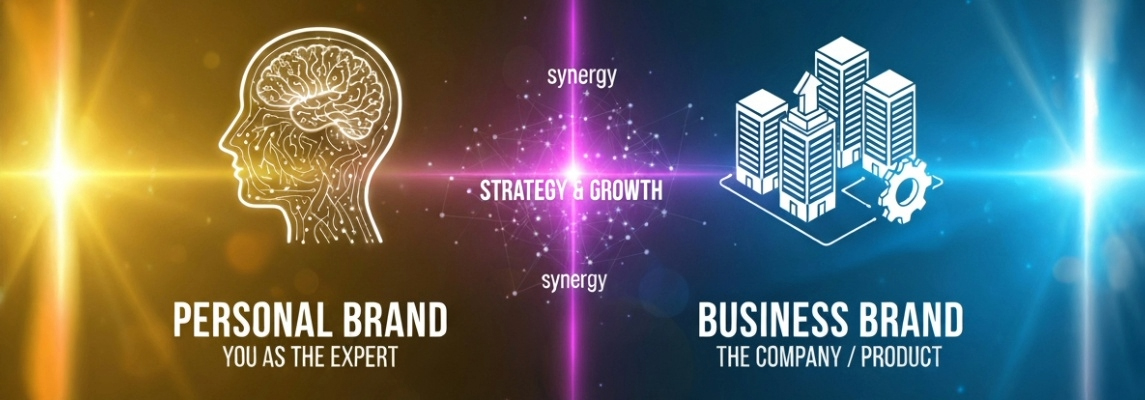
A hybrid approach blends the strengths of both—using your personal credibility to humanize your company while building a scalable, trusted business brand.
Benefits:
- Personal brand builds authenticity and relatability.
- Business brand allows scalability, team growth, and long-term equity.
- Both combined drive visibility, credibility, and revenue potential.
Example: A thought leader launches a firm under their name. Early on, personal branding attracts clients. As the business grows, a separate business brand develops to allow team expansion while maintaining the founder’s thought leadership.
Tip: Align values and messaging across both brands. Cohesion prevents audience confusion and strengthens trust.
Measuring Brand Success
Tracking your brand’s performance over time helps you understand what’s working and where to improve. Both personal and business brands have different ways to measure impact, but together they give a full picture of your growth.
- Personal brand metrics: Social media engagement, speaking invitations, inbound leads, collaborations.
- Business brand metrics: Revenue growth, customer retention, brand awareness, Net Promoter Score (NPS).
Deciding Your Branding Path: Personal, Business, or Both
To figure out the best approach for your brand, ask yourself these questions:
- Who is my primary asset—me or my business?
- What’s my growth goal—short-term influence or long-term scalability?
- How much does my business depend on me personally?
- What resources do I have—time, money, team?
- Who is my audience—looking for me or my company?
- How does my purpose align—personally, organizationally, or both?
Being clear on these points helps you decide which brand to focus on first and how to shape your growth strategy effectively.
Actionable Strategies to Build Your Brand Successfully
For Personal Brands:
- Tell a consistent story across platforms
- Share expertise through content, speaking, and networking
- Focus on authenticity—your reputation is tied to your actions
- Use your personal network to broaden your reach.
For Business Brands:
- Define mission, vision, and values as guiding principles
- Create repeatable systems to ensure consistent delivery
- Align marketing, operations, and customer experience
- Build team capacity and scalable processes to expand influence
Hybrid Branding:
- Leverage your personal brand to drive awareness for the business
- Transition focus gradually as the business scales
- Ensure values, voice, and messaging are aligned across both brands
- Track metrics for both influence and business outcomes
Branding Mistakes That Can Hold You Back
- Over-reliance on one individual for credibility
- Inconsistent messaging across channels
- Misalignment between personal and business brand stories
- Neglecting purpose or audience in branding decisions
- Failing to plan for scalability, transitions, or succession
Making the Right Branding Choice for Long-Term Growth
The brand strategy you choose will shape how you grow and connect with your audience. A personal brand builds trust and visibility, while a business brand drives scalability, equity, and long-term value. Using both together creates a hybrid approach that combines the best of each, helping you maximize growth, credibility, and impact.
At Tru Personal Brand, we help professionals and entrepreneurs clarify their purpose, build authority, and design brands that open doors. Whether you focus on a personal brand, a business brand, or a mix of both, having a clear, intentional brand is one of your most valuable assets.
Book your free consultation today to clarify your brand strategy and unlock growth potential.
Schedule a No-Charge
Personal Brand-Building Consultation
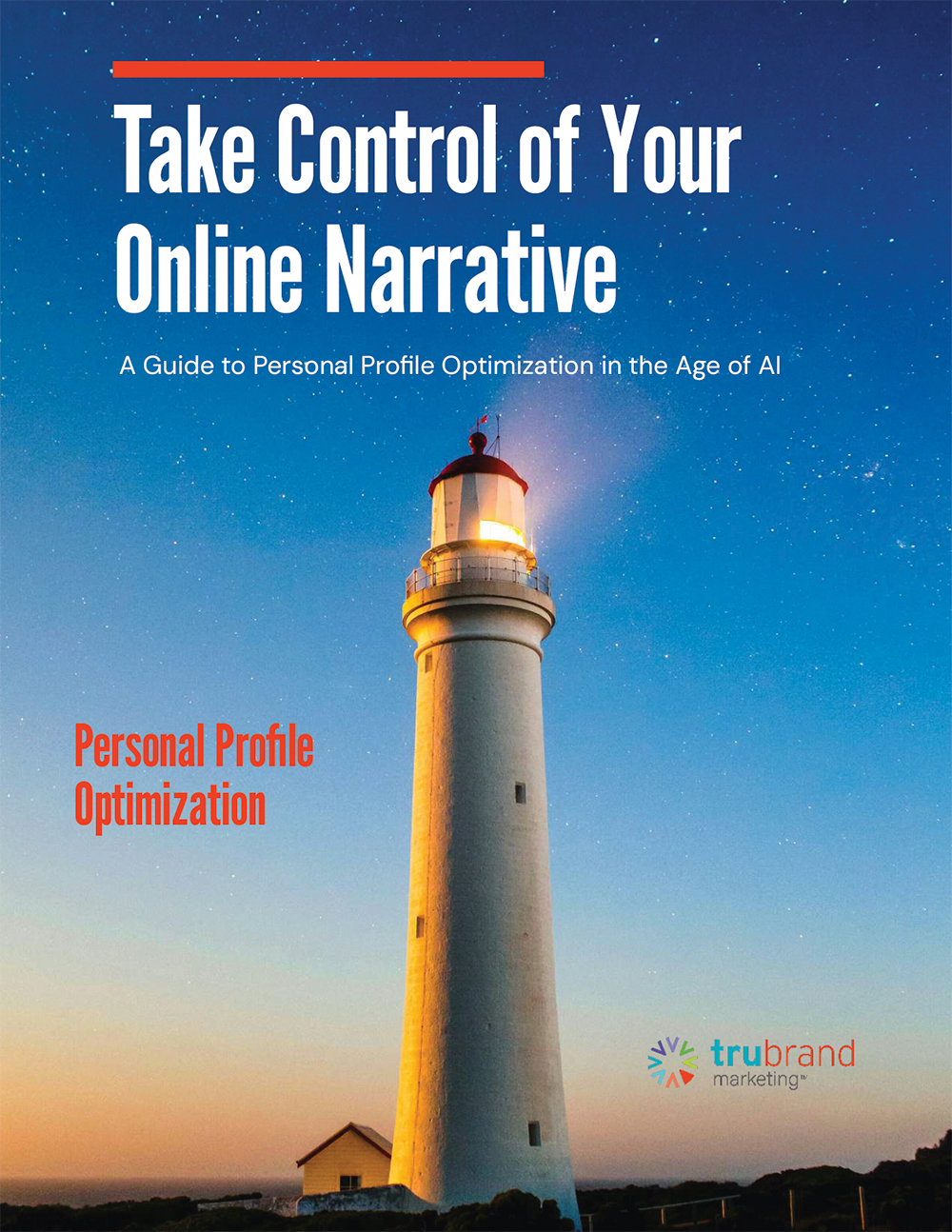
Learn How AI is Writing your Online Narrative & How you Can Take Control
Download the Personal Profile Optimization eBook
Your first impression is often made before you enter the room—crafted by search engines, algorithms, and AI-generated summaries. If you’re not actively shaping your digital narrative, it’s being shaped for you—and possibly in a way that’s outdated, incomplete, or misaligned with who you really are.